

How to Register a Company in Pakistan – Complete Step-by-Step Guide (2025 Update)
when a new individual starts a business in a question comes in mind how to register a company in pakistan Starting a company in Pakistan has become far easier over the past few years, thanks to the digital reforms introduced by the Securities and Exchange Commission of Pakistan (SECP). Whether you’re planning to launch a startup, begin an online business, run a consultancy, or set up a software house, registering your company gives you credibility, legal protection, and access to opportunities that an unregistered business simply cannot achieve.
This guide covers everything you need to know about company registration in Pakistan. You’ll learn about SECP procedures, required documents, incorporation fees, post-incorporation compliance, banking setup, licensing, and tax registration. By the end of this article, you will fully understand how the process works from start to finish.
Why Company Registration Matters
Registering a company is not just a legal formality—it’s the foundation of building a serious and trustworthy business. Once your business is incorporated, it becomes a separate legal entity. This means your personal assets remain protected even if the business faces financial or legal challenges.
In addition, a registered company enjoys improved credibility, which helps when dealing with clients, vendors, investors, and banks. For startups, especially in the IT and e-commerce sectors, incorporation is often essential for securing contracts, receiving payments from foreign clients, or raising investment from angel investors and VCs.
Another major advantage is tax compliance. Companies become eligible for tax benefits, refunds, deductions, and reduced withholding taxes—especially when they appear on the Active Taxpayer List (ATL). You also gain access to corporate bank accounts, government schemes, and formal business permissions.
Choosing the Right Company Structure
Before beginning the registration process, it is important to decide which type of company suits your needs. The most common structure for entrepreneurs and small businesses is the Private Limited Company (Pvt Ltd). It allows multiple shareholders, provides limited liability, and offers more room for growth.
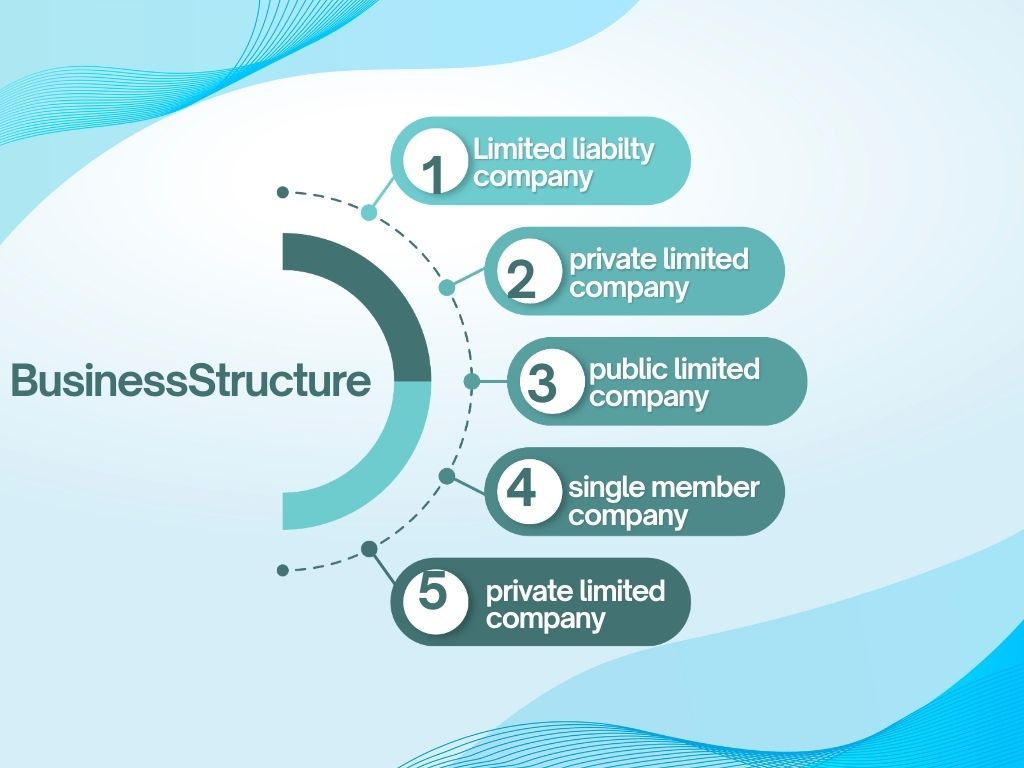
If you are the only owner, the Single Member Company (SMC-Pvt Ltd) is the best option. It gives you complete control while still maintaining limited liability and corporate benefits. On the other hand, Public Limited Companies are suitable for large setups that intend to raise capital from the general public or list on the stock exchange. Foreign investors can also register branch or liaison offices in Pakistan, though these require some additional documentation.
Once you’ve identified the right structure, you’re ready to start the formal process.
Step 1: Reserving Your Company Name
Your company registration journey begins on SECP’s e-Services portal. You must first search for and reserve a unique company name. SECP has strict rules regarding what names are allowed. Words that resemble existing company names, contain restricted terms like “bank”, “trust”, or “foundation”, or violate public morality will be rejected. It’s always a smart idea to check for trademarks and existing businesses to avoid conflicts.
The name reservation process usually takes one to two working days. Once approved, SECP will reserve your chosen name for a specific period, giving you enough time to complete the incorporation process.
Step 2: Preparing the Required Documents
The next stage involves gathering the necessary documents for incorporation. Every company must prepare a Memorandum of Association (MOA) and Articles of Association (AOA). These documents define the nature of your business, the scope of activities, internal rules, powers of directors, and responsibilities of shareholders.
Form 1 is a declaration confirming that all requirements under the Companies Ordinance 1984 have been fulfilled.
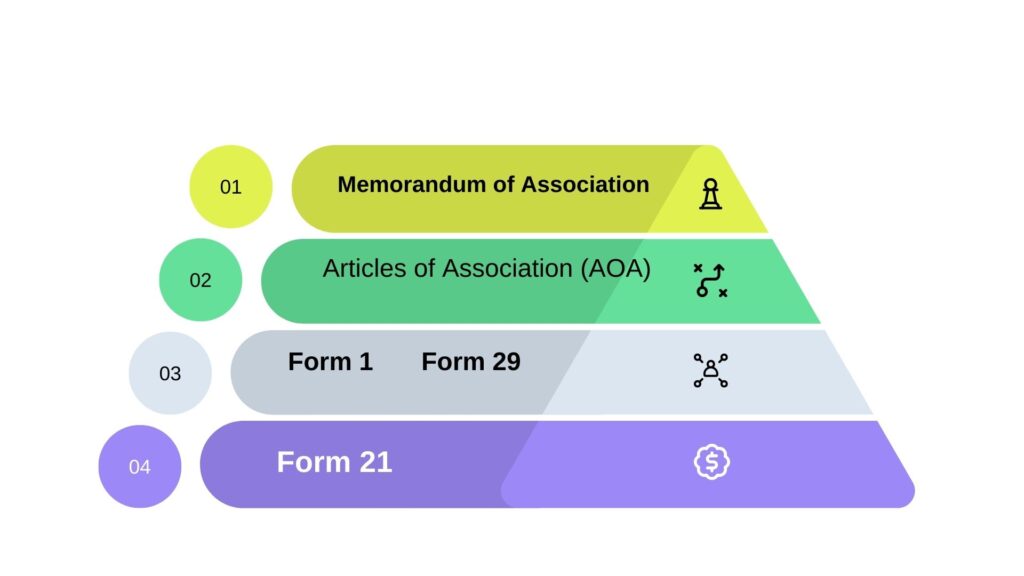
Form 21 is used to inform the authorities about the official registered address of the company.
Form 29 provides detailed information about the company’s directors and key officers.
You will also need copies of the CNICs of directors, contact details, and the registered office address. If a foreigner is involved, passport details and additional verification documents are required. Preparing these documents accurately is crucial because any mistake can delay your application.
Step 3: Submitting Your Application on SECP’s e-Services Portal
Once your documents are ready, you can log into SECP’s e-Services portal and choose the “Incorporation of Company” option. The online form will ask for information about your company structure, shareholding, directors, nature of business, and address. You must upload the MOA, AOA, CNICs, and other required files.
After reviewing your details, SECP will ask you to pay the incorporation fee. This can be done online using a credit card, JazzCash, or through a bank challan. Once paid, your application enters the verification stage. SECP officers may request corrections or clarifications if something is missing or unclear.
Step 4: Obtaining the Digital Signature (NIFT Certificate)
To complete the incorporation process, SECP requires a digital signature from NIFT (National Institutional Facilitation Technologies). This digital certificate allows your documents to be signed electronically, ensuring authenticity.
Applying for a digital signature is simple—you submit your CNIC and relevant details, and NIFT issues the certificate after verification. This step generally takes one to three working days.
Step 5: Receiving Your Certificate of Incorporation
Once SECP approves your application and documents, they issue the Certificate of Incorporation. This certificate carries your company’s registration number and legal recognition. From this moment, your business officially becomes a registered company in Pakistan.

This certificate is extremely important because banks, FBR, clients, and government departments require it for verification.
Step 6: Registering Your Company with FBR (NTN Registration)
Incorporation is only half the journey. To operate legally and pay taxes, your company must be registered with the Federal Board of Revenue (FBR). You can complete this registration through the IRIS portal. The system will ask for your SECP incorporation number, company email, office address, and director details.
It will also require official documents such as the incorporation certificate and CNICs. FBR usually issues the National Tax Number (NTN) within one to two days. Without an NTN, you cannot file tax returns, open a corporate bank account, or legally operate as a company.
Step 7: Opening a Corporate Bank Account
With the NTN and incorporation certificate, you can now open a corporate bank account. Every bank in Pakistan has slightly different requirements, but most ask for a board resolution authorizing account opening, CNICs of directors, incorporation documents, NTN, and company contact details. Once submitted, banks perform verification before activating the account. This may take anywhere from two to seven working days.
Step 8: Obtaining Necessary Licenses or Registrations
Depending on the nature of your business, you may need additional licenses. For example, IT companies often register with the Pakistan Software Export Board (PSEB), food businesses require Food Authority licenses, trading businesses may need a trade license, and manufacturers might require environmental or industrial permits. These additional registrations vary by industry and location.
Cost and Time Required for Company Registration
The total cost of registering a company in Pakistan depends on your share capital and document requirements. Typically, name reservation costs between Rs. 200 and Rs. 500, while incorporation fees can range from Rs. 1,500 to Rs. 10,000. Digital signatures from NIFT cost around Rs. 2,000 to Rs. 3,000. Licensing fees depend entirely on your business type.
Most companies complete the entire process within one to two weeks. SECP usually processes name reservations and incorporation applications quickly, especially if your documents are accurate.
Post-Incorporation Compliance
After forming your company, you must comply with SECP and FBR requirements. Every company must file annual returns with SECP, showing updated shareholder and director information. Likewise, companies must file income tax returns and, if registered, sales tax returns with FBR each year. Maintaining proper accounting records, invoices, and financial statements is essential for avoiding penalties.
Companies above certain turnover thresholds must also undergo an annual audit conducted by a licensed chartered accountant. Keeping your business compliant from the beginning prevents legal complications and builds trust with partners and clients.
Common Challenges and How to Avoid Them
Many new entrepreneurs face similar issues when registering their companies.
Name rejections are common, usually because the proposed name resembles an existing company or includes restricted words.
Document errors can also delay approval—especially if MOA or AOA contain mistakes.
Digital signature delays occur when CNIC images or verification details are unclear.
Bank account issues often arise when the address listed on NTN does not match the SECP address.
These challenges are easy to avoid if all information is kept consistent and documents are prepared carefully.
Final Thoughts
Registering a company in Pakistan is a major step toward building a professional, credible, and legally secure business. Thanks to SECP’s digital reforms, the entire process—from name reservation to incorporation and tax registration—can be completed entirely online, often within one to two weeks. For anyone serious about business growth, legal protection, or entering the corporate world, registering a company is not just beneficial—it is essential.
Frequently Asked Questions
Can foreigners register a company in Pakistan?
Yes. Foreign nationals can register a company with valid passport identification and supporting documents.
Is there a minimum capital requirement?
No. Pakistan does not impose a strict minimum investment for private companies. You may start with a very small capital.
How do I verify whether a company is registered?
SECP’s company search portal allows you to check registration status online.
Can I convert my sole proprietorship into a private limited company?
Yes. You can incorporate a new company and transfer assets or operations into it.
Is the entire process online?
Yes. SECP’s e-Services portal allows complete online registration without visiting any office.