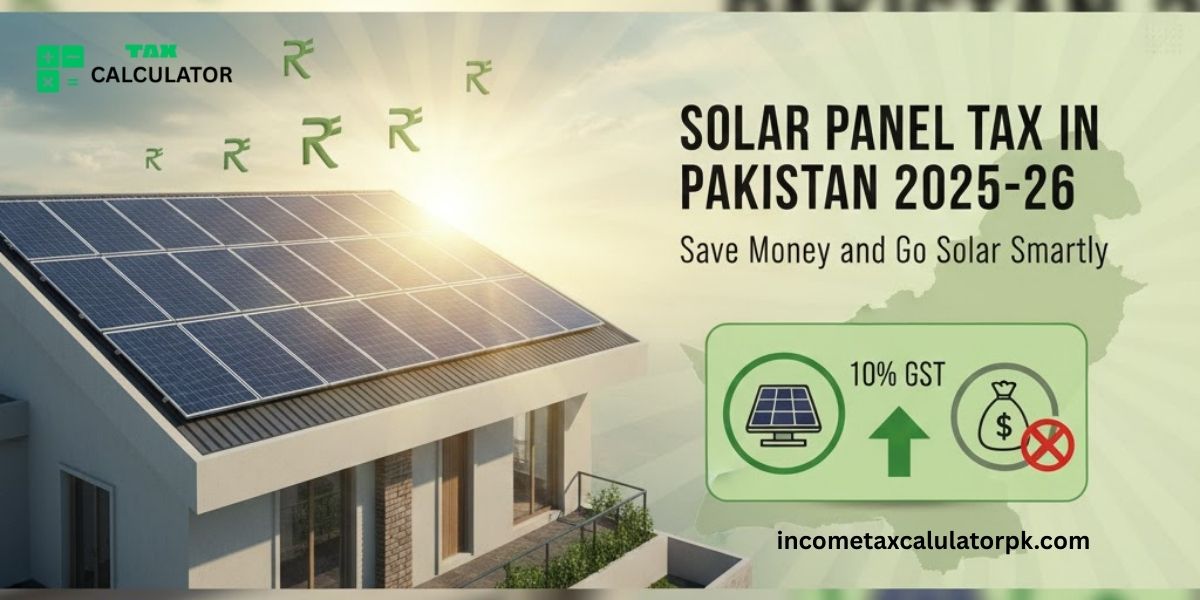
Solar Panel Tax in Pakistan 2025‑26: Save Money and Go Solar Smartly
Solar power in Pakistan has rapidly moved from being a “green dream” to a practical energy solution for millions of people. With rising electricity tariffs, frequent load‑shedding, and growing awareness about sustainability, solar systems have become mainstream for households and businesses alike.
However, the Budget of solar panel tax in Pakistan 2025-26 introduced major changes to how solar panels are taxed in Pakistan, and this has created confusion, concern, and debate across the industry. This article explains what the solar panel tax is, why it matters, how it affects costs, and what you should do if you’re thinking of installing solar today.
Why Solar Panels Matter in Pakistan
Pakistan’s energy crisis has been long‑standing. Frequent power outages, unreliable grid supply, and skyrocketing electricity bills have pushed consumers to seek alternatives. Solar panels, especially rooftop systems, offer a way to generate electricity at home, reduce dependence on WAPDA or KESC, and lower monthly expenses.
Plus, clean energy aligns with global climate goals and Pakistan’s commitments under the Paris Agreement, seeking to increase the share of renewable energy in the national energy mix.
What Changed in Budget 2025‑26?
In the 2025‑26 federal budget presented by Finance, the government initially proposed imposing a General Sales Tax (GST) of 18% on imported solar panels and photovoltaic components. This was part of broader efforts to raise revenue and encourage domestic manufacturing. Geo News+1
However, the proposal sparked strong criticism from parliamentarians, industry stakeholders, and renewable energy advocates who argued that such a high tax would make solar energy less affordable at a time when Pakistan needs it most. The Express Tribune
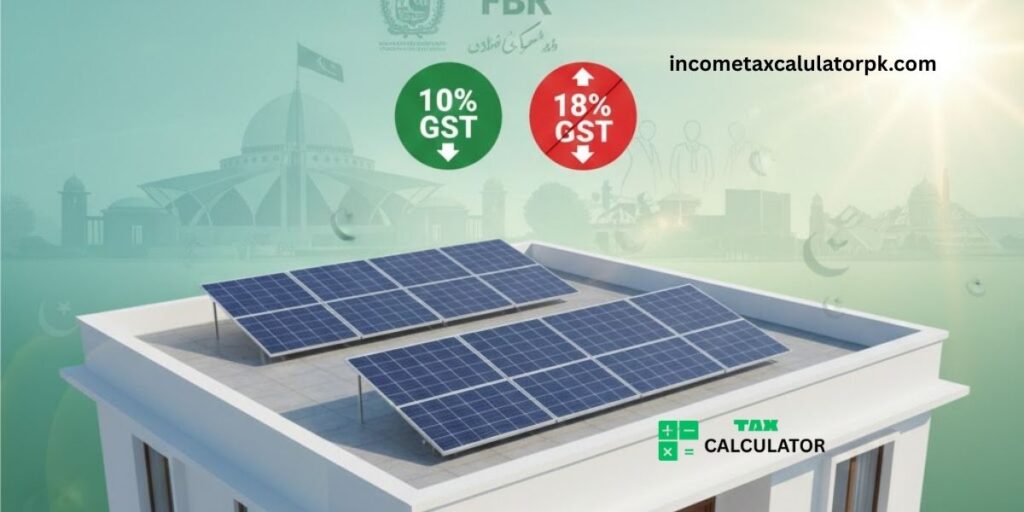
As a result of this pushback, the government revised the proposal and lowered the sales tax on imported solar panels to 10%. This decision was announced in Parliament after consultations involving coalition partners, lawmakers, and the Federal Board of Revenue (FBR
Current Tax Position on Solar Panels (2025‑26)
Today, the tax treatment of solar panels in Pakistan can be summarized as follows:
- Imported solar panels and components are now subject to a 10% General Sales Tax (GST).
- This replaced an earlier plan for an 18% GST, which was rejected by parliamentary committees.
- The move effectively ends the sales tax exemption that used to apply to many solar products under previous budgets and notifications of the Sales Tax Act.
This 10% GST applies uniformly to imported solar modules and related parts, meaning the upfront cost of solar systems will increase, and the old exemption status is no longer guaranteed.
Why the Government Changed the Tax Plan
The initial logic behind imposing a high GST was to:
- Generate more government revenue as part of the budget deficit reduction strategy.
- Encourage local manufacturing by levelling the playing field between imported and locally‑made solar products. Geo News
However, Pakistan currently does not have a large domestic solar manufacturing industry, meaning the immediate effect of such a high tax would have been on consumers, not local producers.
In addition, lawmakers and clean‑energy advocates argued that:
- High taxes would discourage solar adoption, especially among middle‑class households.
- Solar energy is crucial to reducing reliance on the national grid and lowering power bills.
- The tax could undermine Pakistan’s climate commitments.
As a result, parliamentary panels rejected the higher GST and worked with the government to settle on a 10% rate — a compromise that aims to balance fiscal needs and energy goals.
How Much More You’ll Pay Because of the GST
| Scenario | Base System Price (PKR) | GST Rate | GST Amount (PKR) | Final Cost (PKR) | Notes |
| Without GST | 1,000,000 | 0% | 0 | 1,000,000 | Original cost without any sales tax |
| With 10% GST | 1,000,000 | 10% | 100,000 | 1,100,000 | Current tax as per Budget 2025‑26 |
| With 18% GST (Proposed Earlier) | 1,000,000 | 18% | 180,000 | 1,180,000 | Initially proposed rate, rejected due to public backlash |
Explanation:
- 10% GST adds PKR 100,000 to a 5 kW solar system costing PKR 1,000,000.
- 18% GST would have added PKR 180,000, making the system significantly more expensive.
- The table clearly shows that while there is an increase, the current 10% tax is much more affordable than the original 18% proposal.
Who Pays This Tax?
The GST on imported solar panels affects:
- Homeowners and businesses are buying solar systems.
- Installers and suppliers who import panels.
- Commercial solar projects that rely on imported equipment.
The tax is collected at the point of import and generally passed through to the end consumer in the form of higher prices.
Does This Tax Apply to Locally Assembled Panels?
The intent behind the tax reduction was also to ensure that local manufacturing isn’t disadvantaged, but in reality, Pakistan’s solar manufacturing industry is currently not large enough to supply the majority of demand. Most panels are still imported.
Because of this, even locally assembled systems may still face indirect cost pressure since their components (cells, frames, glass) are often imported.
Does Solar Tax Affect Net Metering and Buyback Rates?
Tax on panels is separate from net metering policies, which determine how solar users are compensated for energy sent back to the grid.
Recent cabinet discussions have focused on reviewing and potentially updating net metering rules to avoid additional burdens on solar users.
However, changes in net metering or buyback rates are managed by the National Electric Power Regulatory Authority (NEPRA) and energy ministries, not by the sales tax regime.
Is Solar Still Worth Buying in 2025?
The short answer: Yes — but timing matters.
Here’s why:
Electricity Prices Are Rising Grid electricity tariffs continue to climb due to fuel costs and inefficiencies.
Solar Reduces Long‑Term Bills. Although you pay more upfront, solar systems typically pay back the initial investment over time through savings on monthly bills.
Renewable Energy Goals Support Solar Pakistan’s clean energy commitments still encourage solar adoption even with the GST.
10% GST Is Manageable Compared to the earlier 18% plan, the final 10% rate is much less of a burden on buyers.
Step‑by‑Step Guide to Buying Solar in 2025
If you’re planning to buy a solar system this year, follow these steps to navigate the market confidently:
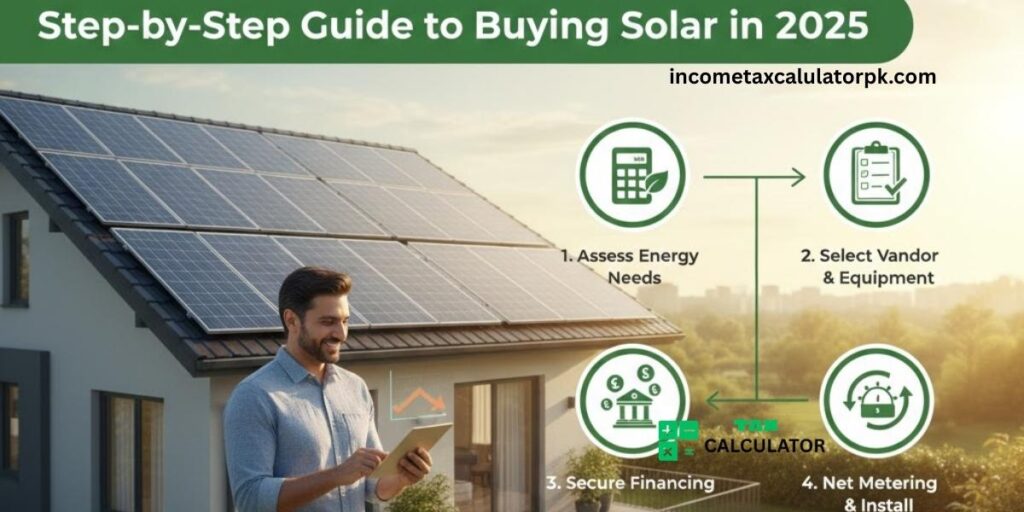
Step 1: Calculate Your Energy Needs. Estimate how much electricity you consume monthly to determine system size.
Step 2: Choose a Reputable Vendor. Use registered suppliers with valid NTN and GST registration to avoid compliance issues.
Step 3: Confirm the Product Classification. Make sure your panels are classified correctly for customs and GST to avoid disputes.
Step 4: Get Multiple Quotes. Compare prices, warranties, and after‑sales support before buying.
Step 5: Check Net Metering Policies. Understand whether you qualify for net metering and how billing works in your DISCO area.
Step 6: Consider Financing Options. Some banks and lenders offer loans or solar financing plans.
Common Misconceptions About Solar Tax
Myth 1: Solar Panels Are Now Unaffordable
👉 Reality: Prices have increased, but solar is still cost‑effective compared to grid bills.
Myth 2: Solar Tax Will Stop Solar Adoption
👉 Reality: 10% is manageable and less than originally proposed; demand remains strong.
Myth 3: Net Metering Is Gone
👉 Reality: Only some aspects of net metering are under review; this is separate from the panel tax.
Conclusion: Solar Tax Is a Cost, But Not a Deal‑Breaker
While the solar panel tax in Pakistan introduces an additional upfront cost, it does not erase the long‑term financial and energy benefits of solar systems. The reduction from 18% to 10% GST reflects the government’s attempt to balance revenue needs with renewable energy adoption.
With proper planning and smart buying, installing solar remains a sound investment for your home or business in Pakistan today.
(FAQs)
Q: Is GST on solar panels permanent?
A: The 10% GST is currently in place for 2025‑26, but policy can change in future budgets.
Q: Was the 18% tax fully passed?
A: No — it was originally proposed, but parliamentary committees rejected it. The Express Tribune
Q: Will local manufacturing get incentives?
A: Potentially, but this requires separate policy support beyond the GST.